
765 0 comments
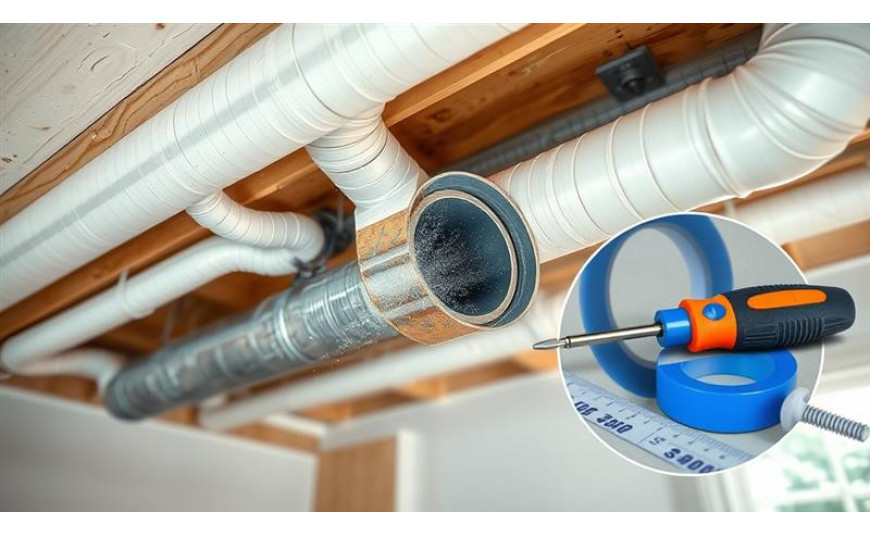
Hey there! If you're reading this, chances are you've got a sneaky suspicion that your air ducts might be leaking, or perhaps you're just being proactive about home maintenance. Either way, welcome! This guide is your go-to resource for understanding, identifying, and fixing leaky air ducts in your home. We'll delve into the nitty-gritty of air duct systems, explore common issues, and provide you with practical solutions. So, grab a cup of coffee and let's get started!
A Brief History: The Evolution of HVAC Systems
Before we dive into the details of identifying and fixing leaky air ducts, let's take a quick trip down memory lane. Understanding the historical context of HVAC systems can offer valuable insights into why these systems are built the way they are today and what improvements have been made over the years.
The Early Days
In the early 20th century, heating and cooling systems were relatively rudimentary. Most homes relied on fireplaces or wood stoves for heating, and cooling was a luxury achieved by opening windows or using fans. Central air systems began to emerge in the 1930s, but it wasn't until the 1970s that HVAC systems became a staple in homes.
Advancements in Technology
Over the decades, advancements in technology have led to more efficient, reliable, and environmentally friendly HVAC systems. This evolution has also brought about more complex ductwork designs to maximize efficiency. However, with complexity comes the potential for issues, such as leaky ducts.
Today and Beyond
Today, energy efficiency and sustainability are at the forefront of HVAC design and innovation. As we look to the future, smart technology and automation are expected to play significant roles in enhancing the performance and maintenance of HVAC systems, including the detection and repair of duct leaks.
Understanding Your Air Duct System
To effectively identify and fix leaky air ducts, it's important to have a basic understanding of how your air duct system works.
What Are Air Ducts?
Air ducts are the pathways that distribute heated or cooled air throughout your home. They are typically made of sheet metal, fiberglass, or flexible plastic material. These ducts are connected to your HVAC system and are strategically placed to ensure even distribution of air to maintain comfortable temperatures in your living spaces.
The Importance of Well-Maintained Air Ducts
Well-maintained air ducts are crucial for:
- Energy Efficiency: Leaky ducts can cause significant energy loss, leading to higher utility bills.
- Indoor Air Quality: Properly sealed ducts prevent contaminants from entering the air supply, maintaining a healthier environment.
- Comfort: Consistent temperature control depends on efficient air distribution, which is hindered by leaks.
Identifying Leaky Air Ducts: Signs to Watch Out For
Leaky air ducts can be elusive, but there are telltale signs that can help you determine if there's a problem.
Signs of Leaky Air Ducts
-
Uneven Heating or Cooling: If some rooms in your home are significantly warmer or cooler than others, this could indicate a duct leak.
-
Increased Energy Bills: A sudden spike in your energy bills without a corresponding change in usage patterns might be due to leaky ducts causing your HVAC system to work harder.
-
Poor Airflow: Weak airflow from vents in certain areas of your home can suggest a leak in the ductwork.
-
Dust Accumulation: Excessive dust buildup around vents or throughout the home might be caused by leaks drawing in dust from unconditioned spaces.
-
Noisy Ducts: Whistling or hissing sounds coming from your ducts could be the sound of air escaping through leaks.
-
Visible Damage: If your ducts are accessible, look for visible signs of wear and tear, such as gaps, holes, or disconnected sections.
Real-World Scenario
Imagine this: It's the middle of winter, and you've noticed that your living room is always colder than the rest of the house. You've also received a higher-than-usual heating bill. Upon inspecting your ductwork, you discover a gap where two sections have come apart. This simple observation helps you pinpoint the source of the problem.
Tools and Techniques for Detecting Duct Leaks
Once you've identified potential signs of duct leaks, the next step is to confirm and pinpoint the exact location of the leaks. Here are some tools and techniques that can help.
DIY Methods
-
Visual Inspection: A flashlight and a mirror can help you inspect the ducts for visible gaps or damage.
-
The Smoke Test: Hold a lit incense stick or smoke pencil near the duct joints and seams. If the smoke wavers or is drawn into a gap, you've found a leak.
-
Pressure Test with a Manometer: This device measures the pressure in your ducts to identify pressure drops that could indicate leaks.
Professional Methods
-
Duct Blower Test: HVAC professionals use this method to pressurize the ducts and measure the amount of air lost due to leaks.
-
Thermal Imaging: Infrared cameras can detect temperature differences along the ductwork, highlighting potential leak areas.
Real-World Scenario
Consider a homeowner who suspects duct leaks due to rising energy bills. They decide to perform a smoke test using an incense stick. By moving the stick along the ductwork, they discover smoke being drawn into a seam between two duct sections. This simple test confirms their suspicions and enables them to take corrective action.
Fixing Leaky Air Ducts: Step-by-Step Solutions
Once you've identified the leaks, it's time to roll up your sleeves and fix them. Here's a step-by-step guide to help you through the process.
Step 1: Gather Your Tools and Materials
Before you start, make sure you have the necessary tools and materials on hand:
- Duct Mastic: A sealant used to seal small gaps and leaks.
- Foil Tape: Designed for sealing ducts, it's heat-resistant and durable.
- Brush: For applying duct mastic.
- Screwdriver or Drill: For tightening loose connections.
- Utility Knife: To cut tape or insulation.
Step 2: Seal the Leaks
-
Clean the Area: Remove any dust or debris around the leaking area to ensure a strong seal.
-
Apply Duct Mastic: Use a brush to apply a generous amount of mastic over small gaps and seams. Allow it to dry completely.
-
Use Foil Tape: For larger gaps or joints, apply foil tape, pressing it firmly to ensure a secure bond. Overlap the tape edges to prevent air leakage.
Step 3: Insulate the Ducts
- Wrap Insulation: For ducts located in unconditioned spaces, wrap them in insulation to prevent heat loss and condensation.
Step 4: Test Your Repairs
-
Recheck for Leaks: Use the smoke test or a manometer to ensure all leaks are sealed.
-
Monitor Performance: Pay attention to changes in your HVAC system's performance, such as improved airflow or more consistent temperatures.
Real-World Scenario
A homeowner who initially attempted a DIY smoke test confirms leaks in their ductwork. They decide to seal the leaks using duct mastic and foil tape. After following the steps above, they notice a significant improvement in their home's heating efficiency and a reduction in energy bills.
Current Trends in Duct Sealing Technology
As technology advances, so do the methods for sealing and maintaining air ducts. Here are some current trends that are shaping the future of ductwork maintenance.
Aeroseal Technology
Aeroseal is a cutting-edge technology that involves injecting aerosolized sealant particles into the duct system. These particles adhere to the edges of leaks, sealing them from the inside out. This method is highly effective for sealing hard-to-reach leaks and is gaining popularity among HVAC professionals.
Smart Home Integration
With the rise of smart home technology, HVAC systems are becoming more connected. Smart thermostats and monitoring systems can detect inefficiencies in your ductwork and alert you to potential leaks. This integration allows for proactive maintenance and improved energy efficiency.
Sustainable Solutions
As environmental concerns continue to grow, there's a push toward using eco-friendly materials for duct sealing. Non-toxic mastic and biodegradable insulation options are becoming more widely available, aligning with the trend toward sustainable home improvements.
Future Implications: What Lies Ahead for Duct Maintenance
As we look to the future, several factors will influence how we approach duct maintenance and repair.
Energy Efficiency Regulations
Governments worldwide are implementing stricter energy efficiency standards for residential and commercial buildings. These regulations will likely drive innovations in duct sealing and maintenance to meet new benchmarks and reduce energy consumption.
The Role of AI and Machine Learning
Artificial intelligence and machine learning are poised to revolutionize HVAC systems. Predictive algorithms could analyze data from smart home systems to identify patterns indicative of duct leaks, allowing for preemptive repairs before problems escalate.
Increased Focus on Indoor Air Quality
With growing awareness of the importance of indoor air quality, there will be a heightened focus on ensuring duct systems are free from leaks and contaminants. This will likely lead to advancements in filtration and cleaning technologies integrated into ductwork.
Conclusion: Take Control of Your Home's Comfort
Identifying and fixing leaky air ducts is crucial for maintaining a comfortable, energy-efficient, and healthy home environment. Whether you choose to tackle the issue yourself or enlist the help of a professional, understanding the ins and outs of your duct system empowers you to make informed decisions about your home's HVAC maintenance.
Remember, while fixing duct leaks might seem daunting at first, taking it step-by-step and utilizing the resources and trends available can make the process manageable and rewarding. So, go ahead and take control of your home's comfort—your wallet and your indoor air quality will thank you!
Thanks for joining me on this journey through the world of leaky air ducts. If you have any questions or success stories to share, feel free to drop a comment below. Happy sealing!

Latest
New




New

New

Write a comment