
499 0 comments
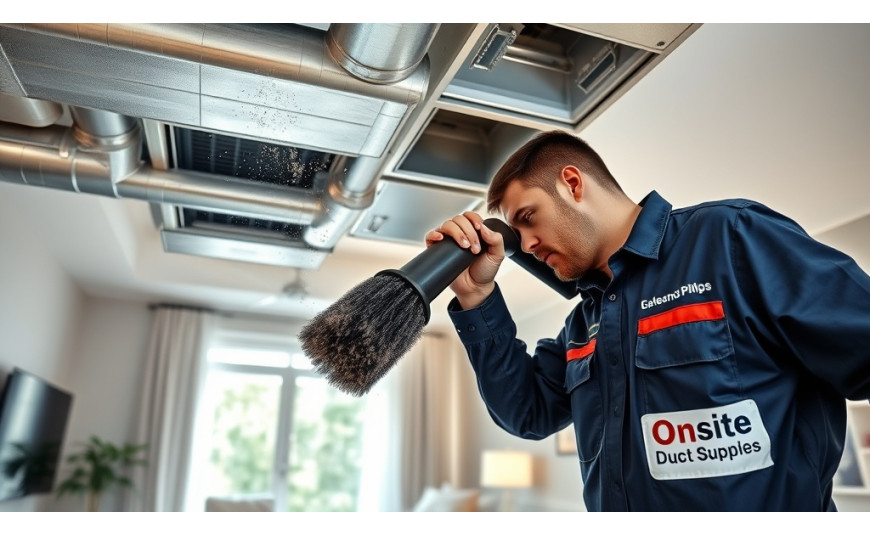
Let’s be honest: duct cleaning isn’t exactly the stuff of dinner party conversation. Nobody’s Instagramming their journey through their HVAC system—unless you’re a professional, in which case, please never stop posting those before-and-after shots, because they are weirdly satisfying. But for the rest of us, air ducts are a classic “out of sight, out of mind” problem. Until, of course, they’re not.
I’ve been in homes where the air felt…thick. You know that sensation? Like the room is wearing a sweater and you didn’t get the memo? And every so often, a client or a friend sheepishly asks, “So, uh, how often should I actually get my ducts cleaned?” It’s a good question. It’s also a deceptively simple one. So let’s dig in—without the dust mask, unless you’re reading this in the crawlspace.
Why Most Homeowners Get This Wrong
If you Google “how often to clean ducts,” you’ll tumble into a pit of conflicting advice. Every five years, says one site. Annually, says another. Only if you have allergies or pets, says a third. So…which is it?
The truth? There’s no magic number. Some homes can go a decade without much trouble. Others—especially if you live with smokers, pets, or in a high-pollen area—need it way more often. The HVAC industry has its own, let’s say, enthusiastic recommendations. (Spoiler: They usually involve cleaning more often than you probably need.) But there’s a reason for that: some companies make a living selling you annual cleanings you might not need. Still, ignoring your ducts forever isn’t exactly a flex, either.
Let me break down a few of the myths and realities, so you can figure out what actually makes sense for your home or business.
Where The Dust Actually Comes From (And Why It Matters)
Here’s the deal with ducts: they’re like your home’s lungs. Air moves through them, whether you’re aware of it or not. Now, unless you’re living in a hermetically sealed laboratory (in which case, congrats on the zero-dust lifestyle), your home is always producing particles—skin cells, pet dander, pollen, dust mites, and the occasional spider who has grand dreams of setting up a web-based real estate empire in your vents.
But—here’s what most people miss—most of the dust in your ducts just sits there. It’s like the sediment at the bottom of a pond: undisturbed, mostly harmless, until something stirs it up. Modern HVAC systems have filters, and if you change those regularly, you’re already catching the worst of it.
So when does that dust become a problem?
- You’ve recently renovated. Construction dust is like glitter: it gets everywhere, and it doesn’t care about your feelings.
- You have a mold problem. If you spot it around vents or smell something musty, that’s not a “wait and see” scenario.
- There’s visible debris blowing out of registers, or you’re seeing black streaks around vents.
- You or your family have unexplained allergies or respiratory issues that seem to improve outside the house.
If none of the above apply, you can probably relax. (But, keep reading, because…well, you’re here, so clearly you care.)
3 Fixes You Haven’t Tried Yet
Okay, let’s get practical. Not all duct cleaning is created equal, and not all “dirty” ducts actually need a deep clean. Here’s what the pros wish you knew:
1. Check (and Change) Your Filters Religiously
I cannot overstate this. If you think duct cleaning is important, filter maintenance is critical. Those filters are your first line of defense, catching most dust and debris before they hit the ducts. Pro tip: set a recurring reminder in your phone for every 1–3 months, depending on your filter type and household situation (pets, allergies, etc.). If your filter looks like it’s been through the apocalypse, replace it—don’t just tap it on your driveway and call it a day.
2. Peek Inside Your Vents
You don’t need a fancy snake camera for this—just unscrew a vent cover and take a look with a flashlight. If you see a light dusting, that’s pretty normal. If you spot clumps, dead critters (yep, it happens), or obvious mold, you have your answer. A visual check once a year can save you from unnecessary spending, or alert you to issues before they become a bigger problem.
3. Consider Your Home’s Unique Ecosystem
Do you have pets? Kids? Is your neighbor’s yard a pollen factory each spring? Is someone in your house a smoker? Do you live in an area with high humidity (hello, mold risk)? Life circumstances change. Move into a new home? Renovate? That’s a good time to check your ducts. Otherwise, you’re probably fine with a pro cleaning every 5–7 years, unless you have a specific concern.
What the Pros Actually Do (Hint: It’s Not Magic)
Ever watch a pro clean ducts? There’s a machine, a lot of banging, maybe a camera shoved into places you didn’t know existed. The best companies use high-powered vacuums and agitation tools—think of it as the dental hygienist’s scraper, but for your ducts. The bad ones? Well, they show up with a Shop-Vac and a smile, and that’s about it.
A reputable company will:
- Seal and protect your belongings.
- Use negative pressure vacuums.
- Loosen debris with brushes or compressed air.
- Clean all registers, grilles, and the main supply/return trunk lines.
If they’re in and out in under an hour, you probably didn’t get what you paid for. (And if they try to upsell you on sanitizers or sprays you didn’t ask for, ask for details. Not all chemicals belong in your air supply.)
Why “Every X Years” Is a Red Herring
Remember that line about “every 5 years”? Here’s why that’s not the whole picture. Your usage matters more than the calendar. Just like you don’t change your car’s oil every 3 months if you only drive 500 miles a year, you don’t need to clean ducts on a strict schedule if your system isn’t accumulating much debris.
A family with three dogs, a toddler, and a penchant for home projects? Different story. But a tidy, shoes-off household that changes filters on time and has no allergies? You might be able to wait longer.
Ask yourself:
- Any recent construction or major changes?
- Allergies, asthma, or other health concerns?
- Noticeable dust or debris around vents?
- Smells, especially musty or “off” odors?
If not, you’re probably in the clear.
“But My Allergy Doctor Said…”: When Health Comes First
Here’s where it gets tricky. If you or someone in your home has respiratory issues, you might want to err on the side of caution. There’s some debate about how much duct cleaning actually helps with allergies (the science is…let’s call it inconclusive), but if mold or excessive dust is present, it’s a real concern.
One family I know struggled with a child’s asthma for months—doctors, medications, the works. The culprit? A dead mouse in the ducts, discovered after a persistent smell and a last-ditch cleaning call. Sometimes, it really is the air.
If you suspect your ducts are contributing to health issues, get a professional inspection. Some companies offer camera inspections so you can see for yourself.
Trends: The Rise of “Clean Air” Anxiety
We’re living in the age of the air purifier. Every influencer’s apartment has a sleek white machine humming in the corner—and, let’s be real, those things are great for point-of-use dust and allergens. But they don’t touch what’s hiding in your HVAC system.
The pandemic turbocharged our obsession with indoor air quality. Suddenly, everyone wanted HEPA filters, UV lights, and yes, duct cleaning. The industry boomed. But like every trend, there’s a bit of hype. Not every home needs all the gadgets, and not every duct needs a deep clean.
But if your home smells off, your vents are visibly dirty, or you’re just curious what’s lurking in the shadows, a pro cleaning might be the peace of mind you need. (And, bonus: your system might run more efficiently, saving you money on energy bills.)
Smart Maintenance: The Unsung Hero
Let’s talk about routine. Not the “set an alarm for 6am” kind, but the unsexy, effective kind that keeps your home breathing easy.
- Change your filters. Yes, again. Just do it.
- Vacuum around registers and returns. Think of it as duct hygiene.
- Keep tabs on humidity. Dehumidifiers help prevent mold.
- Address leaks or water problems ASAP. Mold loves a moist environment.
And—this is key—don’t ignore weird smells or sounds. Your HVAC system shouldn’t sound like a haunted house.
The Dirt on DIY Duct Cleaning
Here’s a confession. I once watched a TikTok of someone taping a Shop-Vac to their vent in hopes of “cleaning” their ducts, and I had to look away. The truth is, DIY duct cleaning is like trying to brush your teeth through a keyhole. You’ll get some surface gunk, but you’re not reaching the stuff that matters.
If you want to freshen things up between pro cleanings, you can:
- Vacuum vent covers.
- Wipe down registers.
- Replace filters (I know, I know).
But leave the deep stuff to the pros with the right tools. Otherwise, you risk damaging your ducts or—worse—stirring up more dust than you remove.
So…How Often, Really?
If I had to give you a number, here it is: most homes are fine with a professional cleaning every 5–7 years, as long as you change your filters and don’t have any obvious issues. If you have pets, allergies, recent renovations, or live in a high-dust area, consider every 3–5 years. And if you spot mold, debris, or have respiratory symptoms, don’t wait—schedule an inspection now.
But honestly? The best answer is: pay attention. If your home starts to feel stuffy, if you see dust blowing from vents, or if you just know something’s off, trust your gut.
A Little Story to Breathe On
I once visited a house where the owner was convinced her air was out to get her. She’d had three different duct cleaning companies come through in five years. Each time, they’d pull out a bag of dust and declare victory. The air? Still stale. Turned out, her real issue was a clogged dryer vent and a leaky attic, not the ducts at all.
Moral? Duct cleaning isn’t a cure-all, but it’s a tool in your home care kit. Use it wisely, and don’t get swept up in the hype.
Quickfire: When to Book That Cleaning
- After major renovations or construction.
- If you see mold, smell something musty, or spot debris.
- Moving into a new home (especially if it’s been vacant).
- Unexplained allergies that don’t improve with other changes.
- Every 5–7 years as routine maintenance (if you have no other risk factors).
Otherwise? Breathe easy. Your ducts are doing their job, mostly in the background, asking only for the occasional filter change and a little appreciation.
The Bottom Line (But Not a Summary)
Your air ducts are like your home’s circulatory system—mostly invisible, impossibly important, and easy to take for granted until something goes wrong. Listen to your home. Trust your senses. And when in doubt, call in a reputable pro—not because you have to, but because sometimes, it’s worth seeing what’s really in the air you breathe.
And if you do book that cleaning? Treat yourself to a deep, satisfying inhale afterward. It’s the little things.

Latest
New





New

New

Write a comment