
532 0 comments
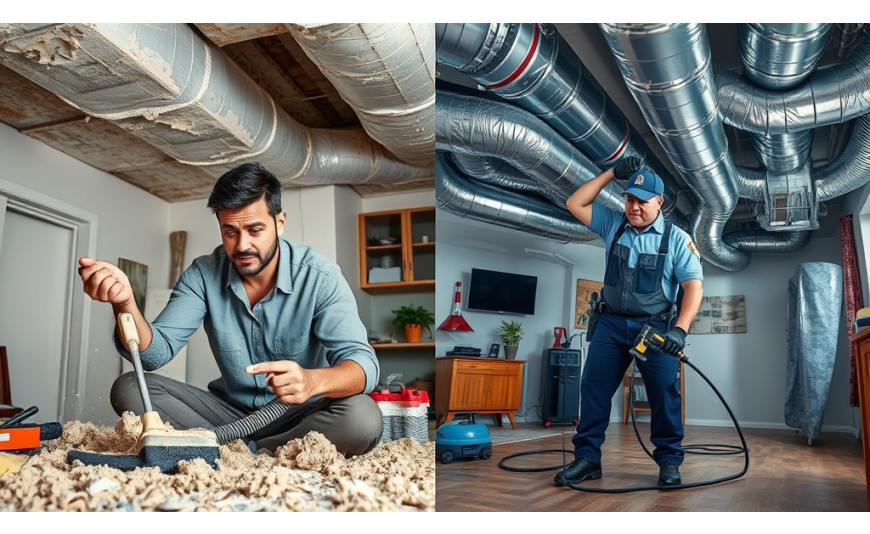
Let’s get something straight from the jump: if you’ve ever watched a YouTube tutorial, you know how quickly “Do It Yourself” can turn into “Destroy It Yourself.” There are projects where a roll of duct tape and a sprinkle of confidence work fine. Duct cleaning? Not so much. I’ll tell you why—straight from the trenches—and I’ll say it the way your neighbor with the perpetually spotless home won’t.
Why Most Homeowners Think They’ve Got This (And Why They’re Wrong)
It’s not just optimism. Blame it on that surge of YouTube braggadocio or the seductive packaging of hardware store duct cleaning kits. You see a dusty vent cover, Google “how to clean duct,” and boom: you’re knee-deep in a Reddit thread debating shop vac horsepower. The promise is always the same—save money, learn something, avoid the pros (and their invoices).
But here’s the catch: HVAC systems are a bit like the human circulatory system. When something’s clogged, you might see the dust, but you’re mostly blind to what’s happening deep in the veins. The stuff you can reach? That’s the tip of the iceberg. The real mess is lurking where your arms, vacuums, and DIY gadgets can’t reach—think years of pet dander, construction dust, and things you’d rather not know about.
Let’s make it tangible. A client once insisted on cleaning her own ducts every spring. She’d vacuum, wipe, even use dryer vent brushes. But her allergies never improved. The day she finally caved and called in a pro, they found a bird’s nest, four toy cars, and enough lint to knit a sweater. Some things, you just can’t tackle with a Shop-Vac.
What’s Really Hiding In Your Ducts? (It’s Not Just Dust Bunnies)
People imagine ducts are just a little dusty, like the top of your bookshelf. If only. Think mold spores, bacteria, insect carcasses, insulation fibers, pet hair, the occasional mouse—yeah, that’s a thing. Then there are those mystery smells. You know the one: the ghostly whiff of last winter’s fried chicken or that weird, persistent mustiness after a rainy week.
Professional duct cleaners see this all the time. They’re like archaeologists, except what they find is less Indiana Jones and more “should I be worried about this?” They show up with specialized tools: negative air machines, rotary brushes, high-powered vacuums that would suck the soul out of a Dyson. They don’t just skim the surface—they deep dive.
The TikTok Trap: Why DIY Duct Cleaning Looks Easier Than It Is
Watch enough TikTok “home hacks,” and you’ll believe you can clean your ducts with a Swiffer, a coat hanger, and a dream. The creators make it look easy—just a few swipes, maybe a before-and-after shot of a dusty vent cover, and they’re done. Here’s what they’re not showing you:
- The gunk that’s 20 feet down the duct line, stuck to bends and elbows.
- The homemade brush head that gets stuck halfway through (true story: a friend had to call a pro to fish out a lost brush and a pair of socks).
- The fine particulates that get blown back into your living space, making allergies worse.
The real work happens where the camera can’t reach.
3 Fixes You Haven’t Tried Yet (Because They Require More Than Elbow Grease)
So, you’re convinced you need more than a YouTube tutorial? Here are three things pros do that you (and your average TikTok influencer) just can’t:
Negative Air Pressure Machines: These bad boys seal off your system, then suck out debris without blowing it into your living room. It’s like a reverse tornado, but controlled.
Rotary Brush Systems: Not your grandma’s feather duster. These powered brushes snake through ducts, scraping off grime that’s been there since the Bush administration (pick your Bush).
Inspection Cameras: Before and after. You see exactly what’s lurking (and what’s been removed). Sometimes, it’s terrifying—sometimes, it’s deeply satisfying.
A Tale of Two Cleanings: Real-World Showdown
Let’s talk about the Johnsons, who decided to split the difference: DIY upstairs, pro downstairs. Upstairs, after two hours, they had a pile of lint, a sore back, and a bent vacuum extension. Downstairs, the pro crew arrived with industrial machines, sealed off vents, and—within 90 minutes—filled a 30-gallon drum with debris. The air smelled different. The allergy-prone kid stopped sneezing.
The Johnsons? They still joke about the “upstairs experiment,” but every spring since, they go pro. Lesson: some jobs just aren’t meant for mere mortals.
Why On-site Duct Supplies Leans Hard Into Professional Care
Listen, we get it. We sell duct supplies, so you’d think we’d be all about DIY. But here’s the truth: selling someone a brush kit doesn’t sit right when we know it’s only half the solution. Our philosophy? Tools matter—but expertise matters more. We’ve seen too many “I’ll just do it myself” disasters end with torn ductwork, accidental disconnections, or, the classic, a dropped phone somewhere inside the return vent (don’t ask).
Our business thrives when your system thrives. And nothing wrecks trust faster than a customer who follows bad advice and ends up with bigger problems. So, we stock pro-grade supplies because we know the difference. And we recommend the pros because, frankly, we want your ducts—and your house—to stay standing.
But What About The Cost? (Or, “Can’t I Just Save The Money?”)
Here’s the math nobody likes: yes, professional duct cleaning costs more upfront. But DIY gone wrong is like that time you skipped the oil change and wound up replacing the whole engine. Torn ducts, released mold, broken connections—these repairs make a pro cleaning look like a bargain.
Plus, consider the long game: cleaner ducts = more efficient HVAC = lower bills. Not to mention, fewer allergens, less dusting, and that precious peace of mind.
The Tricky Thing About “Clean”: What You Don’t See Still Matters
It’s easy to fixate on what you can see—like the gleaming vent covers after a good wipe-down. But duct cleaning isn’t about appearances. It’s about air quality, system efficiency, and, dare I say, the stuff that keeps you from waking up with a scratchy throat every morning.
Think of it like brushing your teeth versus flossing. Brushing is good, but if you’re not getting into the nooks and crannies, you’re missing the real troublemakers. Ducts are the same. Surface cleaning doesn’t cut it.
Okay, So You Still Want To DIY? Here’s What Not To Do
Not everyone listens, and that’s okay. If you’re going to go for it, at least avoid these rookie mistakes:
- Don’t Use Water or Harsh Chemicals: Moisture = mold party. Harsh cleaners can corrode ducts.
- Don’t Stick Anything Down There You Can’t Retrieve: If you drop it, it’s gone. Forever.
- Don’t Ignore the Furnace and Blower Components: The action’s not just in the vents.
- Don’t Assume “Out of Sight, Out of Mind”: If you can’t see it, it doesn’t mean it’s not there (and festering).
When To Absolutely Call a Pro (No, Really)
- Visible Mold: If you see it, you need specialized cleaning—end of story.
- Unexplained Odors: Something’s rotting or nesting. Don’t risk it.
- Recent Renovations: Drywall dust and sawdust love to hide in ducts.
- Water Damage: Your ducts are now a science experiment. Call in the cavalry.
Looking Ahead: Where Duct Cleaning Is Headed (And Why Pros Will Matter Even More)
Smart homes are getting smarter, but ducts aren’t. As air quality becomes a bigger concern—think wildfires, pollution, allergies—the demand for real, deep cleaning is only going up. We’re seeing sensors that can detect particulates and alert you when it’s time for a clean, but the grunt work? Still requires actual humans, real tools, and the kind of expertise you can’t download from an app.
The Bottom Line (But, You Know, Not in a Corporate Way)
You could DIY your ducts. You could also perform your own dental work or cut your own hair. Some things are best left to the experts, unless you’re in the market for a cautionary tale at your next dinner party.
If you want results—breathable, clean, healthy air that doesn’t cost you a fortune in mistakes—go pro. That’s not a sales pitch. That’s just what we’ve learned, one dust bunny at a time.
And if you still want to try it yourself? We’ll sell you the supplies. But don’t say we didn’t warn you when your lost sock becomes a permanent part of your home’s “ventilation history.”
Stay curious, breathe easy, and remember: not every job needs a hero. Sometimes, it needs a professional.

Latest
New




New


New

Write a comment